Open-BCI: First touch
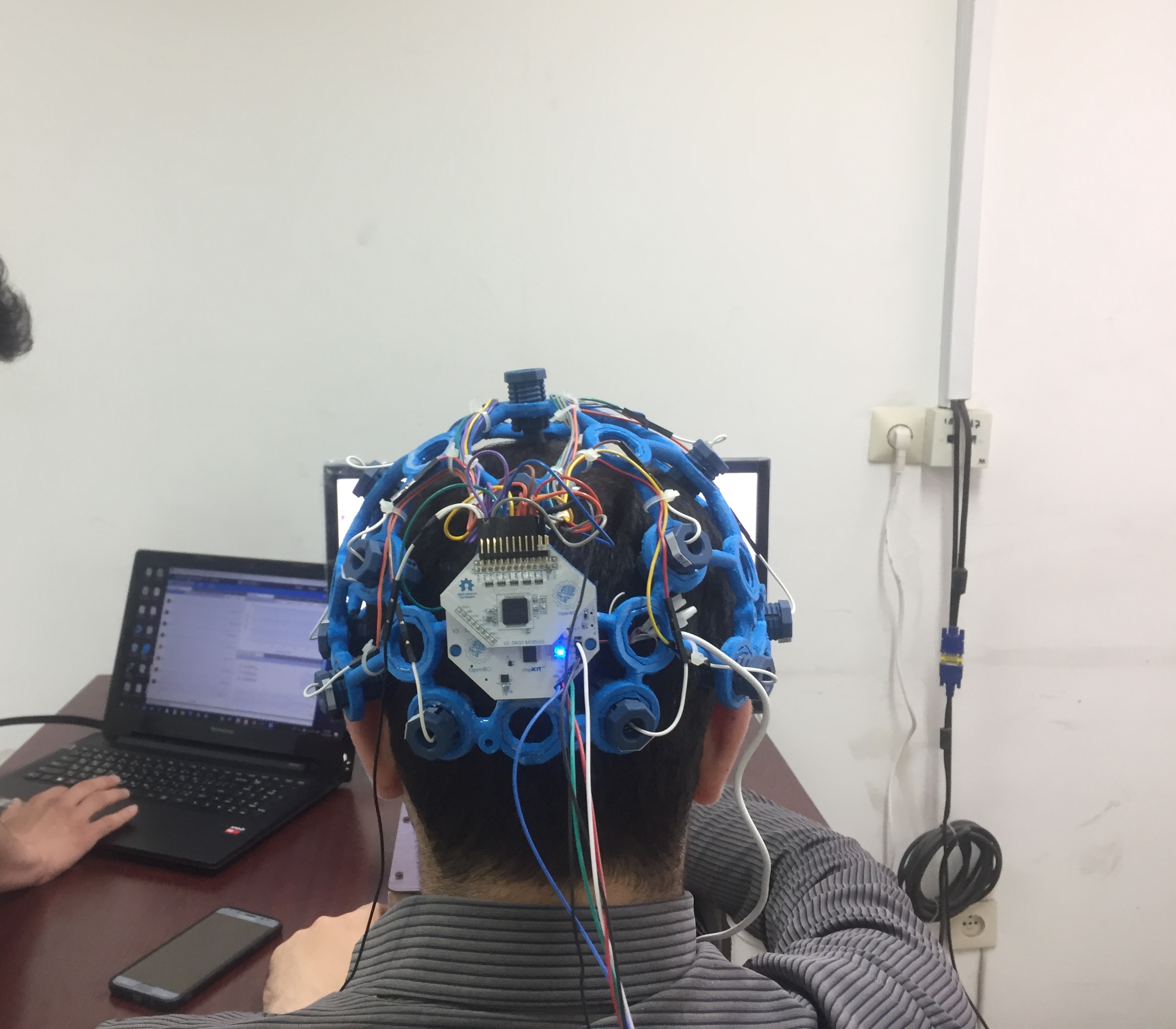
In short: our OpenBCI kit arrived and we put it on a head the same week. Here is how it actually feels to use: good hardware, open software, dry electrodes that beat gel for setup time, and more noise…
- published
- read time
- 1 min
- words
- 286
- lang
- en
- filed under
- Universitysignal processing
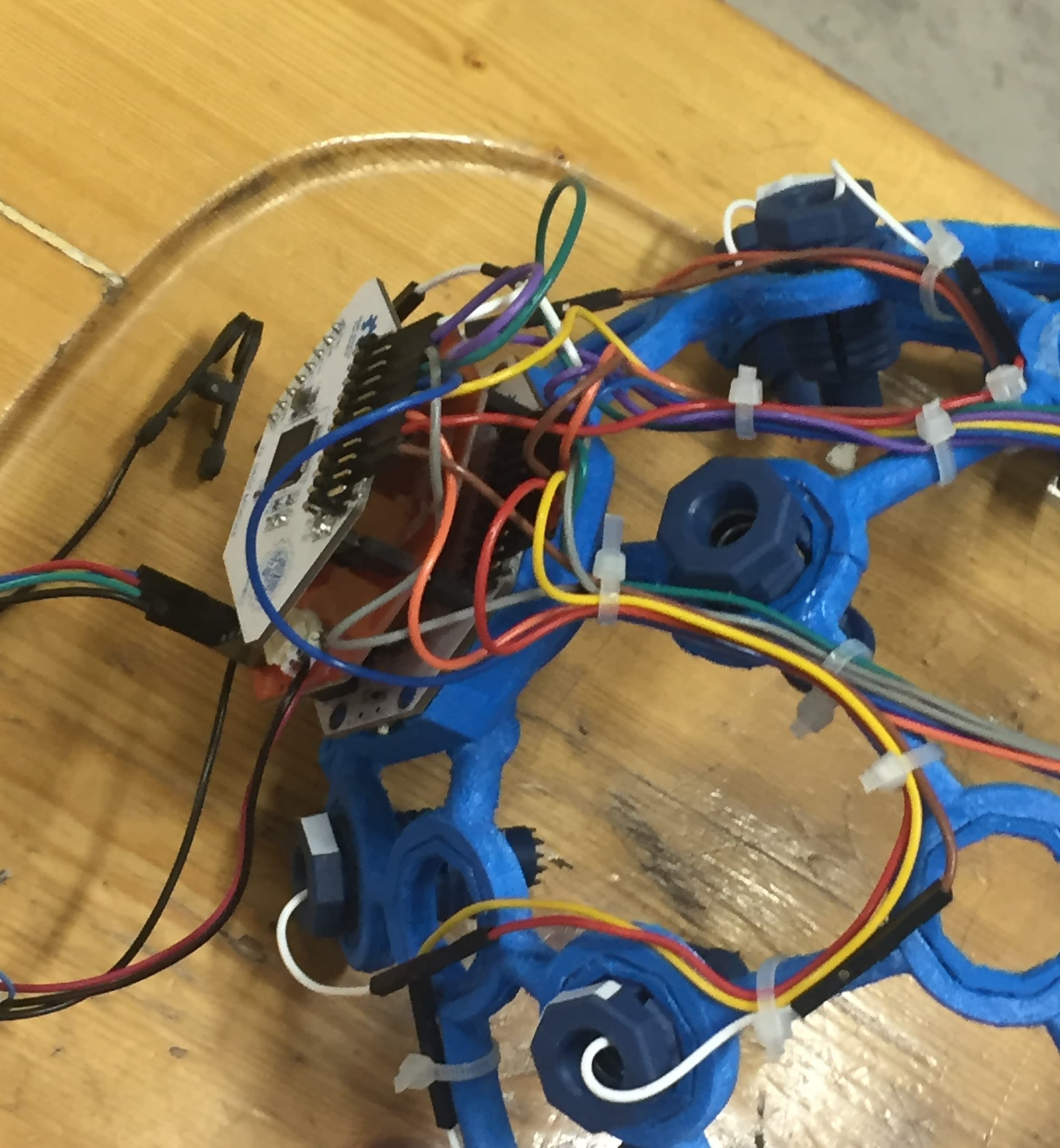
In short: our OpenBCI kit arrived and we put it on a head the same week. Here is how it actually feels to use: good hardware, open software, dry electrodes that beat gel for setup time, and more noise than you would like.
OpenBCI specializes in creating low-cost, high-quality biosensing hardware for brain computer interfacing. Our arduino compatible biosensing boards provide high resolution imaging and recording of EMG, ECG, and EEG signals. Our devices have been used by researchers, makers, and hobbyists in over 60+ countries as brain computer interfaces to power machines and map brain activity. OpenBCI headsets, boards, sensors and electrodes allow anyone interested in biosensing and neurofeedback to purchase high quality equipment at affordable prices.
What we liked
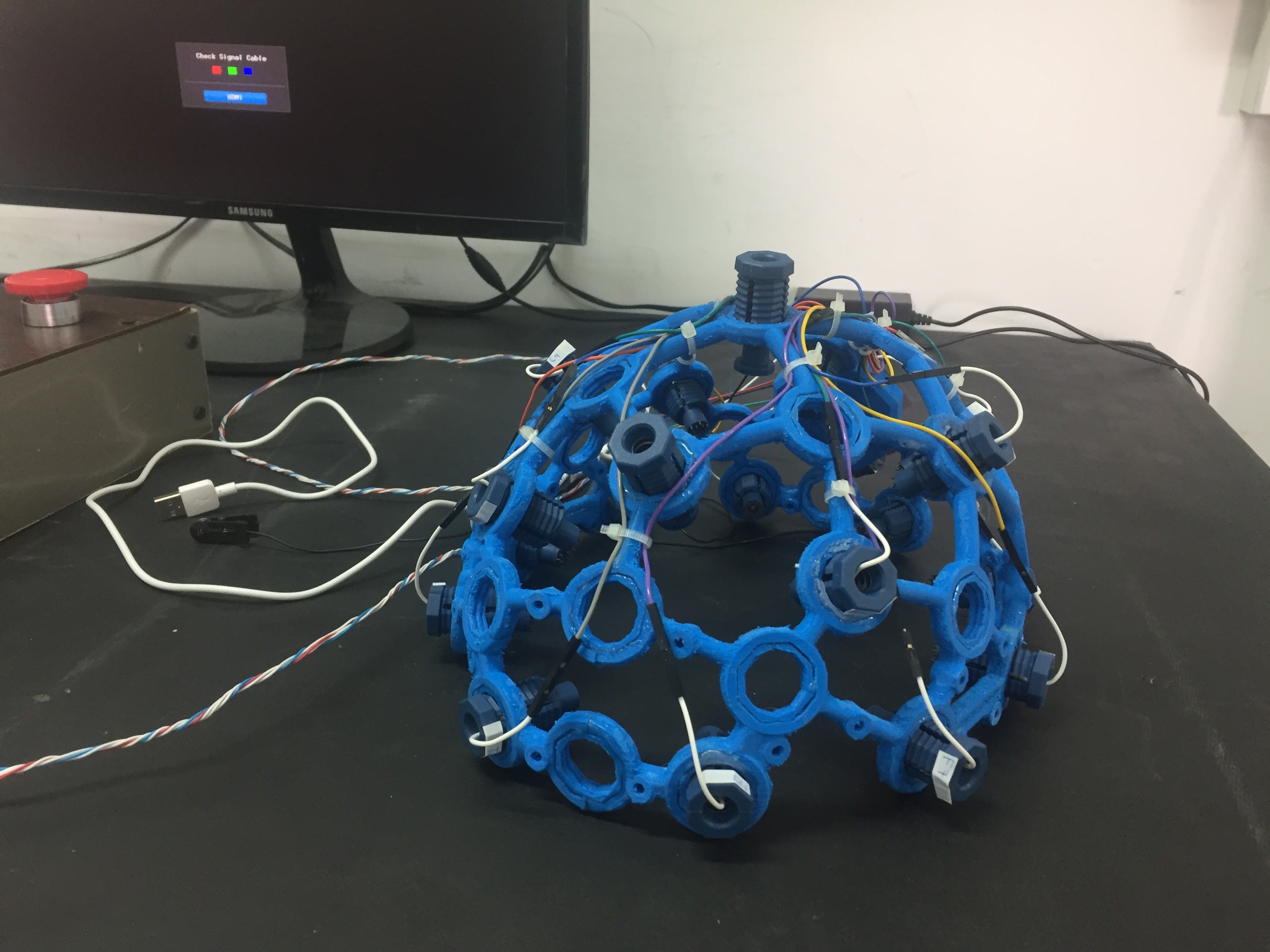
The hardware and the software are built for each other, so the first recording took minutes rather than a day. Better still, you can modify all of it yourself. The headset prints in three sizes, so the design is yours to change.
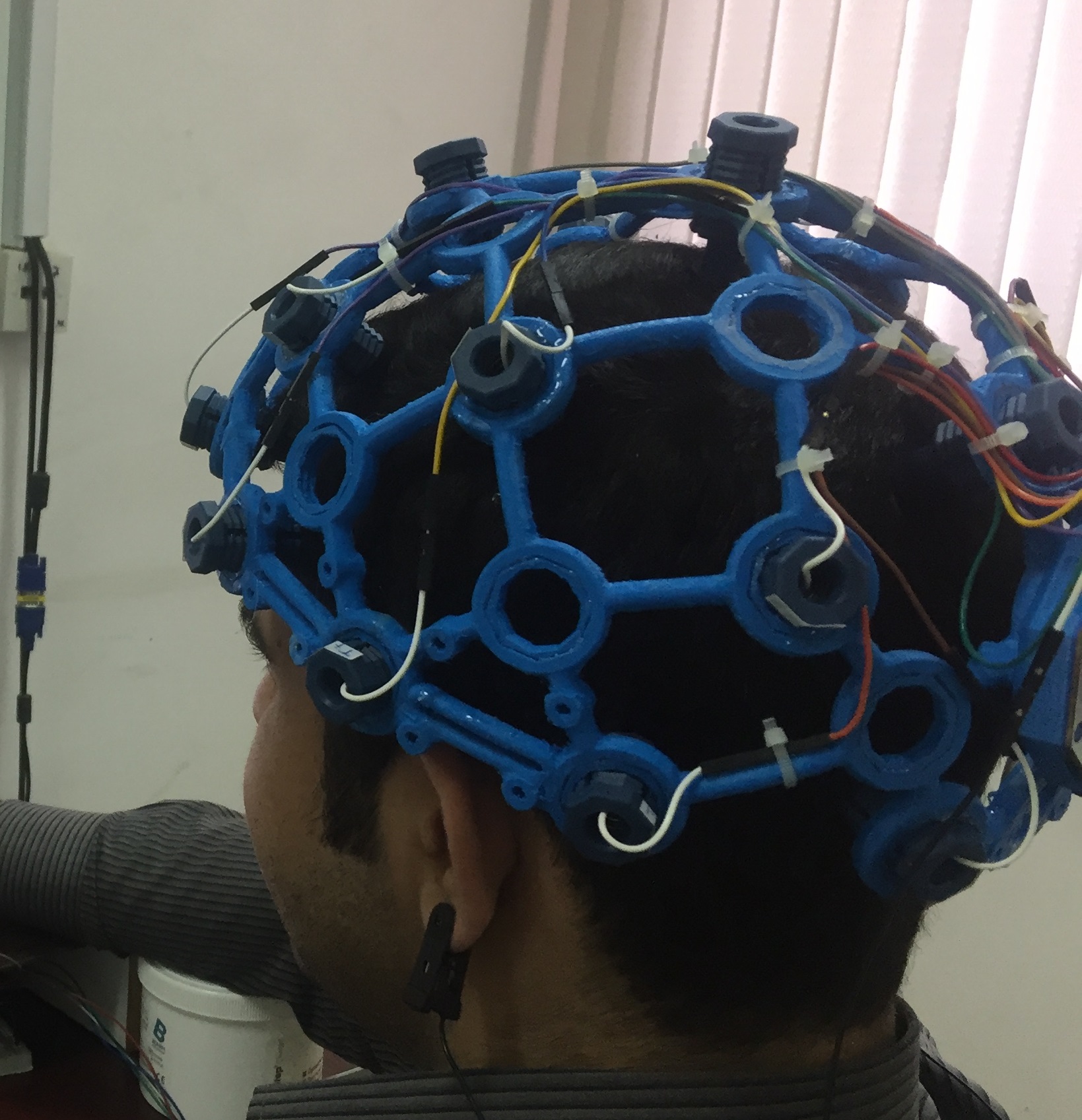
The dry electrodes are the other win. They are much quicker to work with than gel electrodes and the impedance is acceptable for what we need.
What bit us
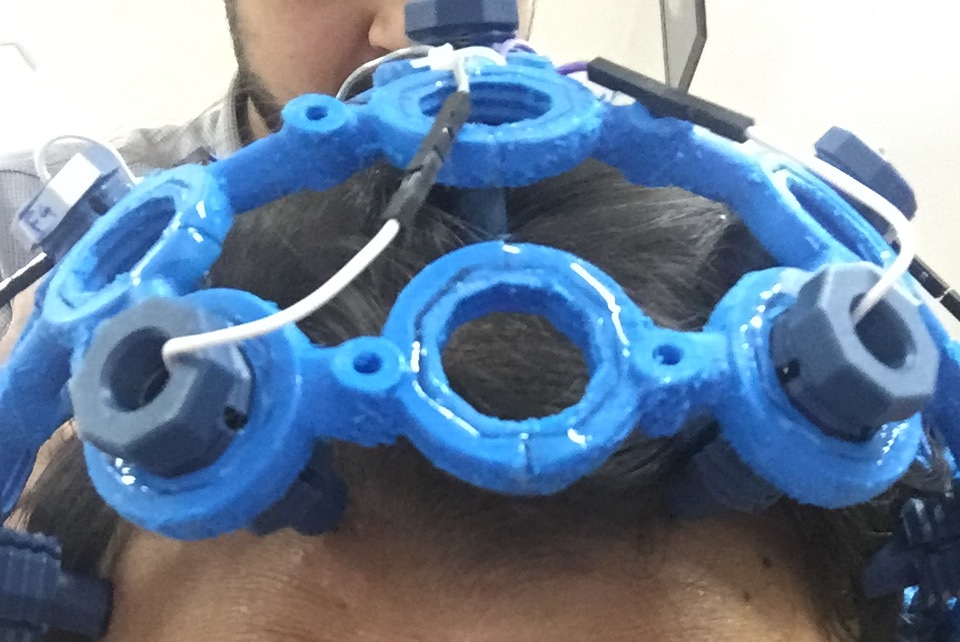
We started with the large headset and it was far too big. We could not seat Cz, F1 and F3 properly, which is exactly where we needed clean contact.
Worth it
Compared with something like MindWave, OpenBCI wins for us because it is open and easy to use, and you get the raw signal without paying extra for it.
Next step: print the small headset sizes on our own 3D printer.
related