My Experience in Hospital!
In short: in April 2020 I went into Imam Khomeini Hospital in Ardabil to build a machine learning system that diagnoses COVID-19 from scans. I ended up admitting patients and scheduling the imaging…
- published
- read time
- 1 min
- words
- 268
- lang
- en
In short: in April 2020 I went into Imam Khomeini Hospital in Ardabil to build a machine learning system that diagnoses COVID-19 from scans. I ended up admitting patients and scheduling the imaging ward too.

The idea of building machine learning for health is being pushed hard by colleagues all over the world, because a tool like this can make diagnosis quick and accurate. The system got a good reception. The news was picked up by the Ministry of Science, Research and Technology website.
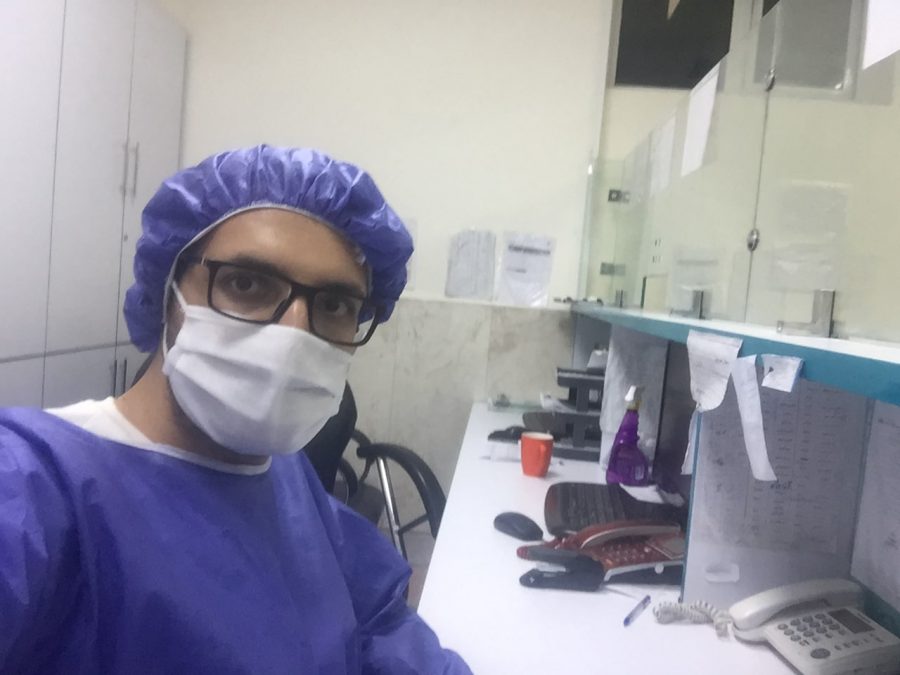
What the job actually was
On top of the model, I stayed at the hospital and helped in the imaging section. I admitted new patients to the ward and put the bracelets on their wrists. I did the time scheduling for each patient around the radiologist's availability. That was alongside my other work: improving the data pipelines on the hospital network, and building the AI model to speed up COVID-19 diagnosis.
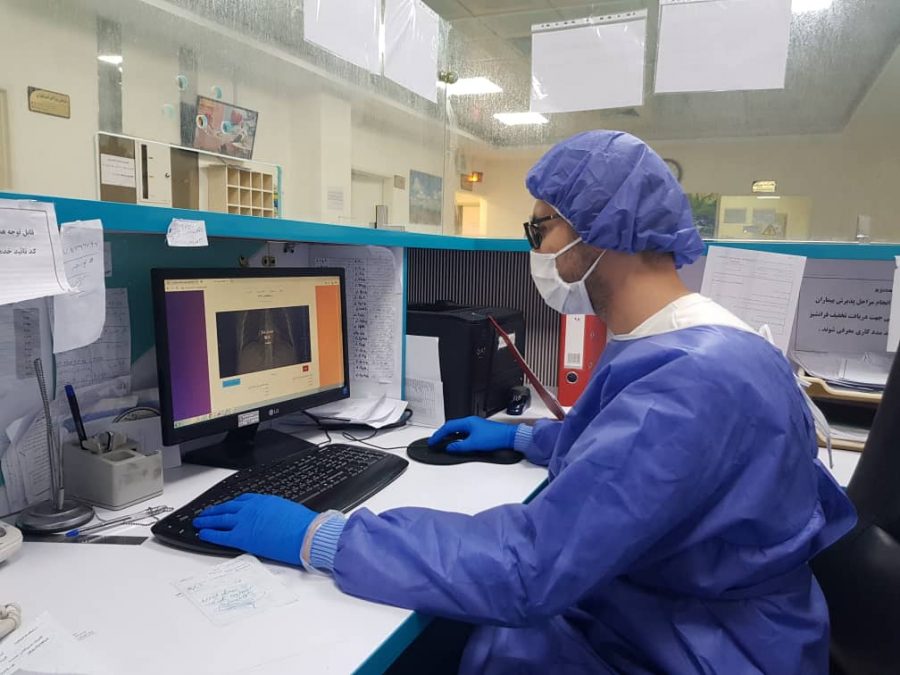
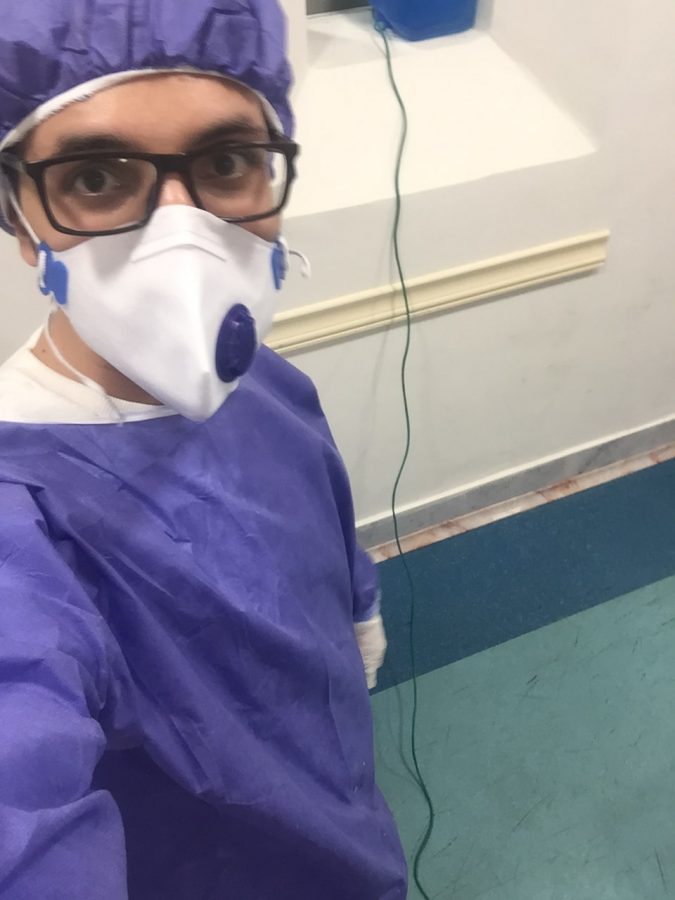
Doctors and nurses are the main part of the army fighting COVID-19. So is everyone else in the building, from the device suppliers to the janitors. They work hard, indoors, in masks and disposable gloves, all day.
The tools around the wards
Walking the wards I kept running into genuinely clever devices. I want to point at the things biomedical engineers build to make a medical procedure easier.
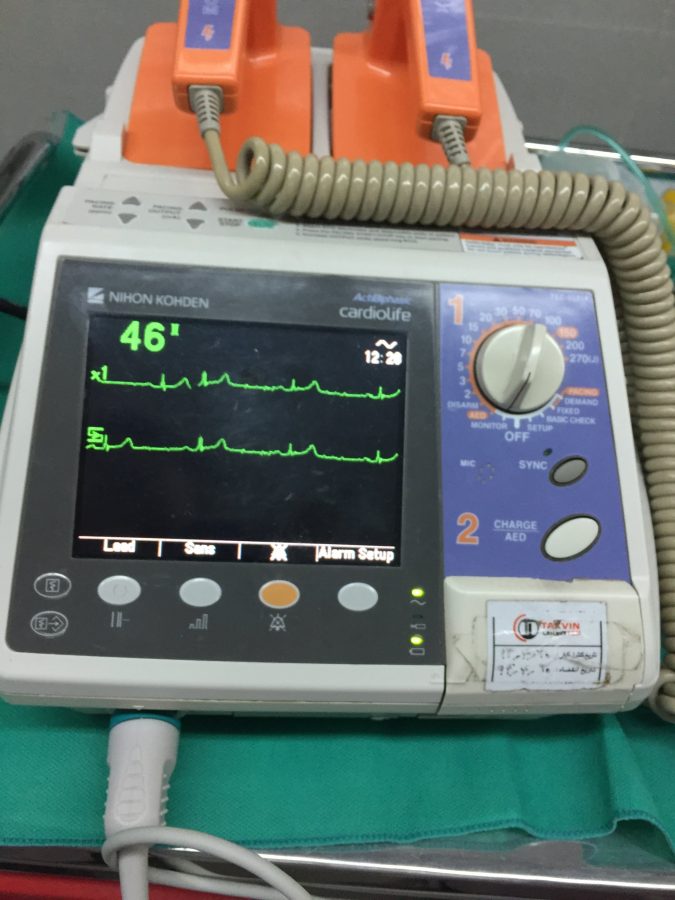
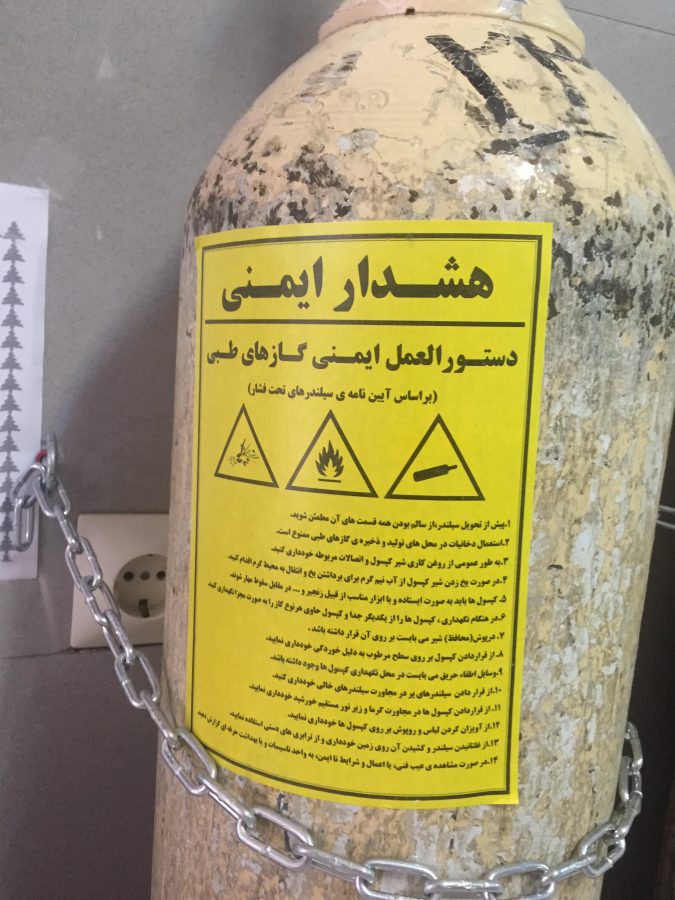
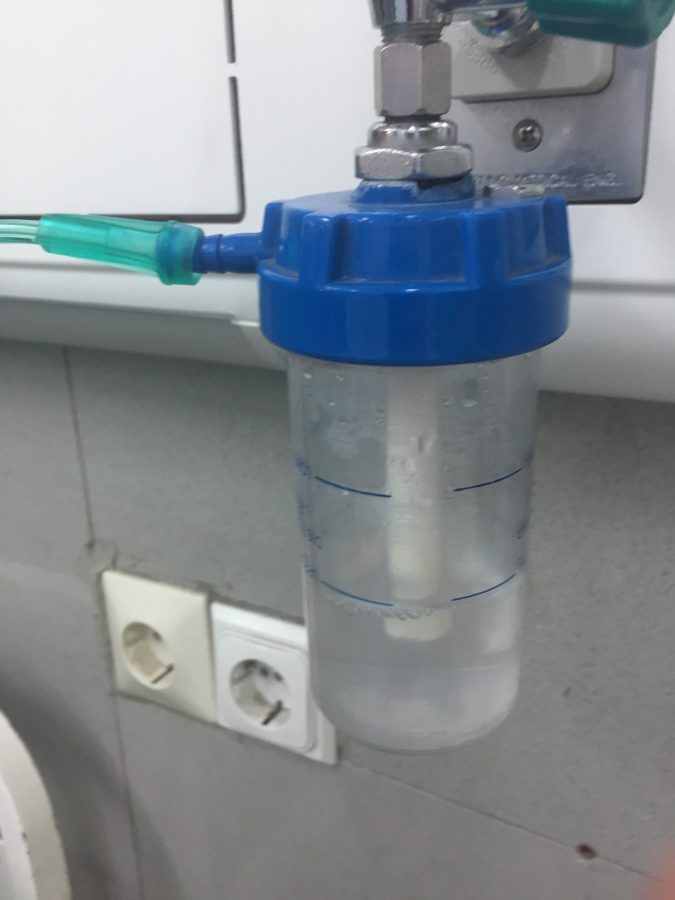
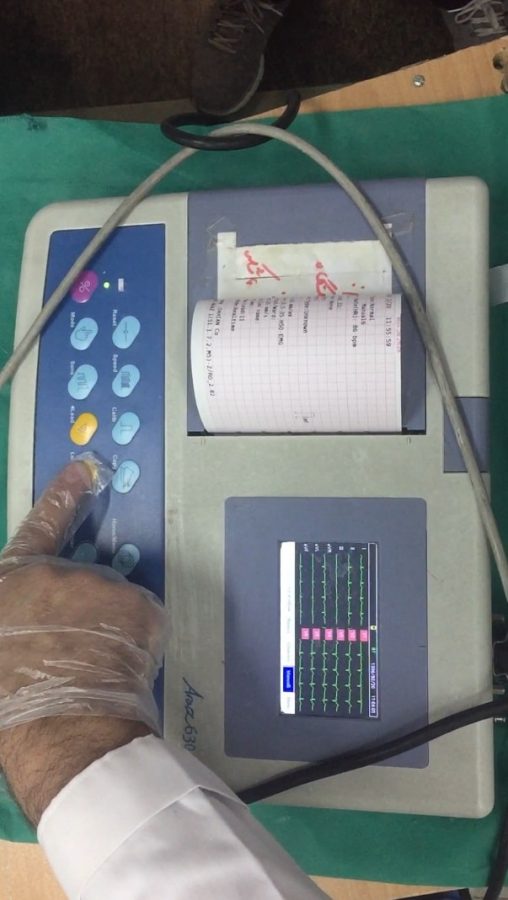
Defibrillator, oxygen capsule, nebulizer, ECG. Those are the ones you see everywhere. With a respiratory disease you have to add ventilators to the list.
related